
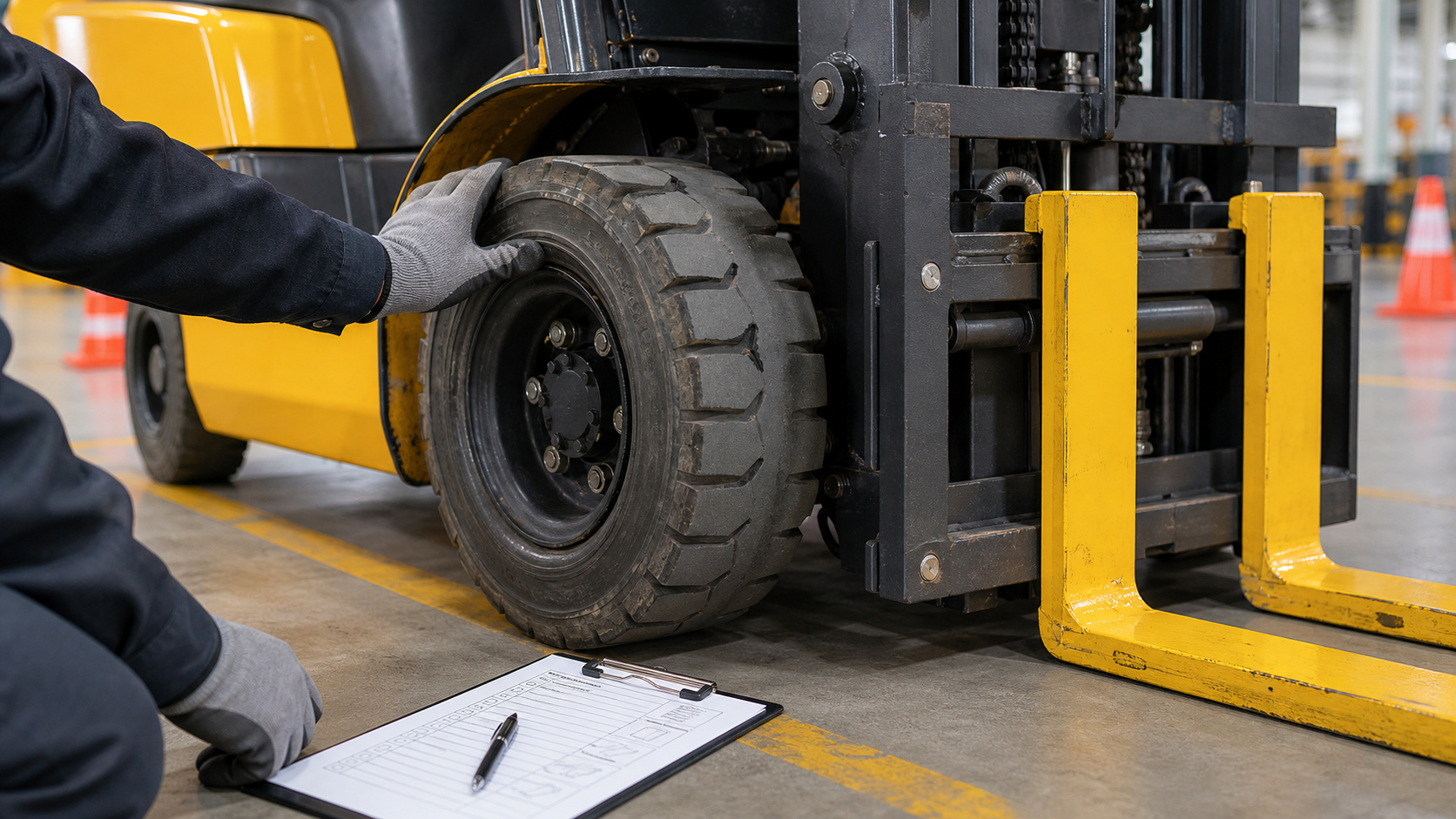
Refresher training is not only date-based
Some employers schedule refresher training at set intervals. That can be useful, but it is not the only trigger. Training may also be appropriate after an incident, near miss, unsafe observation, a long period away from operating, a change in truck type or a major change to the workplace.
For Rotherham warehouses, workshops and yards, refresher training is often a practical way to pause bad habits before they become normal. It also gives supervisors a clearer view of what support the operator needs.
Signs a refresher may help
- Operators skip pre-use checks or are unsure how to report defects.
- Loads are travelling too high or too fast for the environment.
- New racking, routes, doors or pedestrian areas have changed the risk.
- Operators have not used the truck for some time.
Keep the tone practical
Refresher training should not feel like punishment. Done well, it is a focused way to rebuild safe routines, update operators on workplace changes and give employers a stronger training record.
Useful reference: HSE guidance notes refresher training may be appropriate in several circumstances. Read HSE lift-truck training.